In retail history

first-united-states-mall2

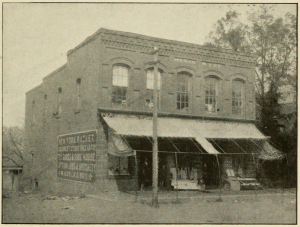
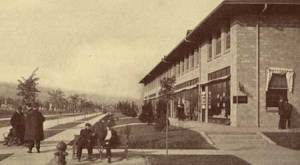
On July 20, 1915, the United States Steel Company opened the Lake View store in Morgan Park, MN.

The Lake View store with its indoor corridors and multiple stores was one of the first indoor shopping malls in the United States. Minnesota would later build the Southdale Center, the first post-war enclosed shopping mall and the Mall of America, the largest shopping mall in the United States and the most visited mall in the world. (Full disclosure:  I may be biased having been born and raised in Minnesota.)
Continue reading

In retail history

IMG_0868

On July 16th, 1995, Amazon.com opens for business when they sold and shipped a copy of Douglas Hofstadter’s book, Fluid Concepts and Creative Analogies: Computer Models of the Fundamental Mechanisms of Thought.  And the rest, as they say, is history.

Last year and only 20 years after beginning operations, Amazon’s revenue was $107 billion.


Only 2 seconds

Waste iconStanding at the end of the checkout conveyor, I waited for the cashier to finish scanning our groceries the other day so that I could bag them.   While waiting, I watched the parade of people go by on their way out of the store.
One shopper dropped a wrapper on the floor and continued out the door.  Seconds later, an employee walked by the trash heading towards the Customer Service counter when they stopped, turned, went back and picked the trash off the floor.  Depositing the trash in a nearby bin, he went on about his business.

Many times I have been in stores that had trash on the floor. Common sense says that managers shouldn’t have to train employees to pick up trash when they see it. But apparently they do.  Managers need to communicate how important keeping a store neat and clean is as part of customer service and that it takes little time or effort.  In this case, it couldn’t have taken more than 2 seconds.

(The store was WinCo, an employee owned no-frills grocer.)

Bagging a bit better

IMG_0937My brother bagged groceries in high school.  He was good at it and proud of his skills.

He knew how to sort groceries coming down the belt so he could bag more efficient.  Separating the boxes from the cans, the produce from the meat, the fragile from the durable.  He knew how to build a foundation layer in the bottom of the bags so they would be stable in the car and on the kitchen counter ( back when only square bottom craft paper bags were in use). He knew how to double bag to prevent tearing and bagging meats and produce so that condensation and contamination were not an issue.  Of course, he bagged so eggs would not be broken and bread would not be crushed.

My brother’s success as a bagger led to his next position as stocker and 40 years later, he still earns a comfortable living working for a union grocery store.  But this post is not about my brother.

Continue reading

In retail history

hudsonslogo

The Hudson’s Bay Company is founded on May 2, 1670 making it the oldest commercial enterprise in North America.

Incorporated by English Royal Charter as The Governor and Company of Adventurers of England trading onto Hudson’s Bay.  Founded as a fur trading business, HBC was once the largest landowner in the world with control of 15% of the total acreage in North America.  As such, it served as the de facto government until European states and the US laid claim.

As the fur trade dwindled in the early 1800s, HBC reinvented itself as a mercantile business establishing stores across Canada. HBC continues as a retailer today operating Hudson’s Bay, Lord & Taylor (the oldest luxury department store in North America), Saks Fifth Avenue, Home Outfitters, Gilt and Galeria Kaufhof.

In retail history


Original Target Logo 1962-1967

Original Target Logo
1962-1967

On May 1st, 1962, the Dayton Company opens their first discount retail store, Target.

The Dayton Company traces their roots to  the Goodfellow Dry Goods Store opened in downtown Minneapolis in 1902.

The company prospered as a traditional downtown department store for over 60 years and in the 1950s began to expand to suburban shopping malls.

John Geisse, a Dayton’s employee, suggested opening upscale discount stores in the suburbs. The company and its board were originally hesitant since their did not want to “cheapen” their brand. The name Target was used to prevent customers from associating the discount store with their traditional department stores.  Geisse would go on to founded the Venture chain and the Warehouse Club.

Continue reading

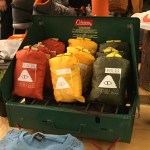
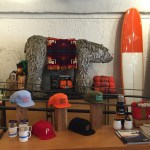
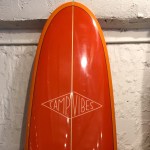
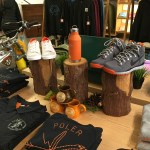
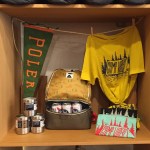
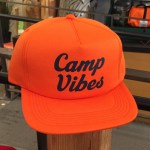
Poler – Making the outdoors fun again

Poler gained a following for its unpretentious and inclusive approach to high-quality gear and outerwear

There was a time in our lives when “the great outdoors” meant our backyard, the neighborhood park or the woodlands and wetlands that we could walk/bike/skateboard to without getting into too much trouble from our parents. Then, slowly, things began to change.

Now, if an adventure is not epic or extreme, it’s not viewed as worthy. It seems that adventures need to involve exotic locations like Papua or Lapland or an esoteric endeavor such as wing suiting or canyoneering for any credibility. Gone are the days of the simple pleasures of being outside and enjoying life with friends.

Or are they?

Continue reading